
Professioneller Reinigungsservice in München für Privat & Gewerbe
Verschwenden Sie nicht mehr Ihre kostbare Freizeit mit Putzen – entspannen Sie sich, während wir Ihr Zuhause zum Glänzen bringen!
- Professionell
- Freundlich
- Bequem



So funktioniert es
Schnell und einfach
Angebot
Erzählen Sie uns von Ihrem Zuhause und wählen Sie das gewünschte Datum.
Sauber
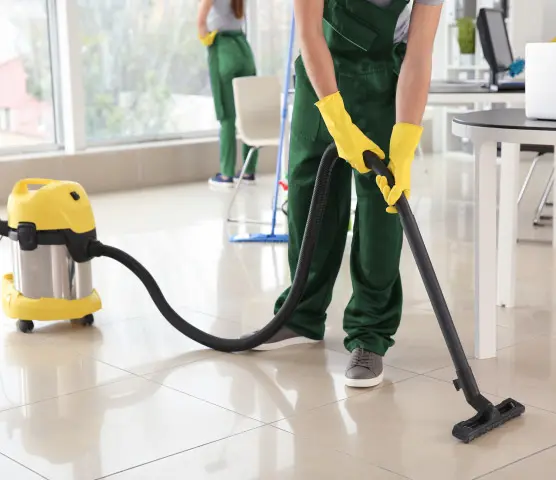
Unser erfahrenes Team aus Vollzeit-Reinigungskräften wird Ihr Zuhause verwandeln.
Entspannen
Lehnen Sie sich zurück und genießen Sie, wie wunderbar Ihr Zuhause oder Ihr Unternehmen jetzt aussieht.
Wer wir sind
Ihre beste Wahl für ein strahlend sauberes Zuhause
Bei Reinigungmunchen ist es unsere Mission, Ihnen die bequemste Plattform zu bieten, um Sie mit außergewöhnlichen, professionellen Reinigungskräften zu verbinden, die herausragende Ergebnisse liefern.
- Wir halten Sie stets über Ihre Reinigung auf dem Laufenden
- Die Reinigungskräfte behandeln Ihr Zuhause wie ihr eigenes
Warum wir?
Erfahren & mit Experten-Teams vor Ort
Kostenloses Angebot & Sofortpreise
Erhalten Sie sofortige Preise und fordern Sie Ihr kostenloses Reinigungsangebot online an.
Materialien & Reinigungsmittel inklusive
Auf Wunsch stellen wir Ihnen hochwertige Reinigungsmittel zur Verfügung.
100% Zufriedenheitsgarantie
Wenn Sie mit Ihrer Reinigung nicht zufrieden sind, kommen wir kostenlos zurück, um die übersehenen Bereiche nachzureinigen.
Vetted & Geprüfte Reinigungskräfte
Unsere Reinigungskräfte durchlaufen einen strengen Auswahlprozess, damit Ihr Zuhause in den besten Händen ist.
Jahre Erfahrung
Wohnungen gereinigt
Stunden für unsere Kunden eingespart
unserer Kunden beauftragen uns erneut
Unsere Leistungen
Was wir für Sie tun können


Kundenbewertungen
Tausende Kunden vertrauen uns
Unglaublich effizient und pünktlich — alle meine Erwartungen wurden übertroffen. Die Wohnung war makellos sauber. Vielen Dank, Reinigungmunchen!

Die Endreinigung nach meinem Auszug war perfekt! Die Kaution wurde vollständig zurückerstattet. Sehr professionelles Team, klare Empfehlung.

Unser Büro wird jetzt wöchentlich gereinigt und wir sind begeistert. Zuverlässig, diskret und gründlich. Das Preis-Leistungs-Verhältnis stimmt zu 100%.
Ich empfehle Reinigungmunchen wärmstens! Schon seit einem Jahr kommt das Team regelmäßig — immer pünktlich, immer freundlich, immer top Ergebnis.
Kostenloses Angebot anfordern
Angebot anfordern
Ihre Zufriedenheit hat für uns höchste Priorität! Wir bieten stolz eine 100%ige Zufriedenheitsgarantie auf alle unsere Reinigungen.
FAQ
Häufig gestellte Fragen
Suchen Sie einen Reinigungsservice in München? Jetzt kontaktieren!
Was ist in der Reinigung enthalten?
Die Kosten für eine Hausreinigung hängen von der Größe der Immobilie, ihrem Zustand und den gewünschten Leistungen ab. Reinigungmunchen bietet ein unverbindliches Angebot per Telefon – schnell und einfach. Kontaktieren Sie uns noch heute!
Was kostet eine Reinigung bei mir zu Hause?
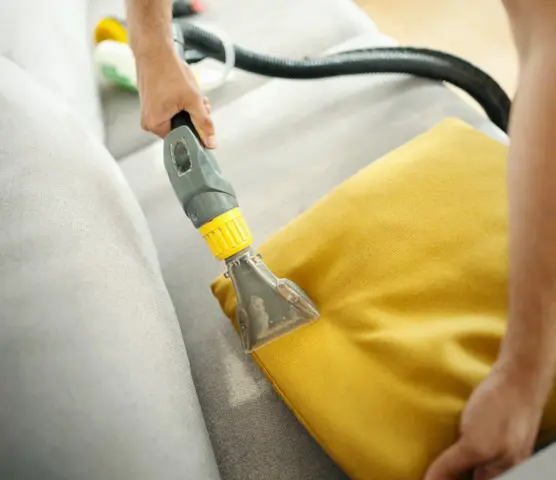
Unser Reinigungsservice bietet einen umfassenden und gründlichen Prozess, der über die reguläre Pflege hinausgeht. Unser erfahrenes Team wischt alle Oberflächen von Hand ab, schrubbt Ablagerungen weg, staubt schwer zugängliche Bereiche ab, wischt Sockelleisten und saugt Möbel und Polster.
Sind Reinigungsmittel inklusive?
Auf Wunsch stellen wir Ihnen hochwertige Reinigungsmittel zur Verfügung.
Zu welchen Zeiten bieten Sie Reinigungsservices an?
Sie können eine Reinigung 7 Tage die Woche buchen. Reinigungen finden in der Regel zwischen 8:00 und 18:00 Uhr statt, Montag bis Sonntag. Für frühere oder spätere Termine kontaktieren Sie uns bitte.