A clean and hygienic kitchen is essential for maintaining a healthy living environment. In the quest for a spotless kitchen, effective grease removal plays a crucial role. Grease buildup not only affects the appearance of your kitchen but also poses health risks by attracting bacteria and creating a fire hazard. In this article, we will explore some valuable tips for cleaning your kitchen and removing grease effectively to ensure maximum hygiene.
Understanding the Importance of Kitchen Cleaning
Before diving into the specifics of grease removal, it’s important to understand why keeping your kitchen clean is paramount. The kitchen is the heart of the home, where meals are prepared, and families gather. From countertops to stovetops, every surface in the kitchen is susceptible to grease buildup, which can be a breeding ground for harmful bacteria. Regular cleaning not only enhances the aesthetic appeal of your kitchen but also ensures a safe and healthy cooking environment.
The Basics of Kitchen Cleaning
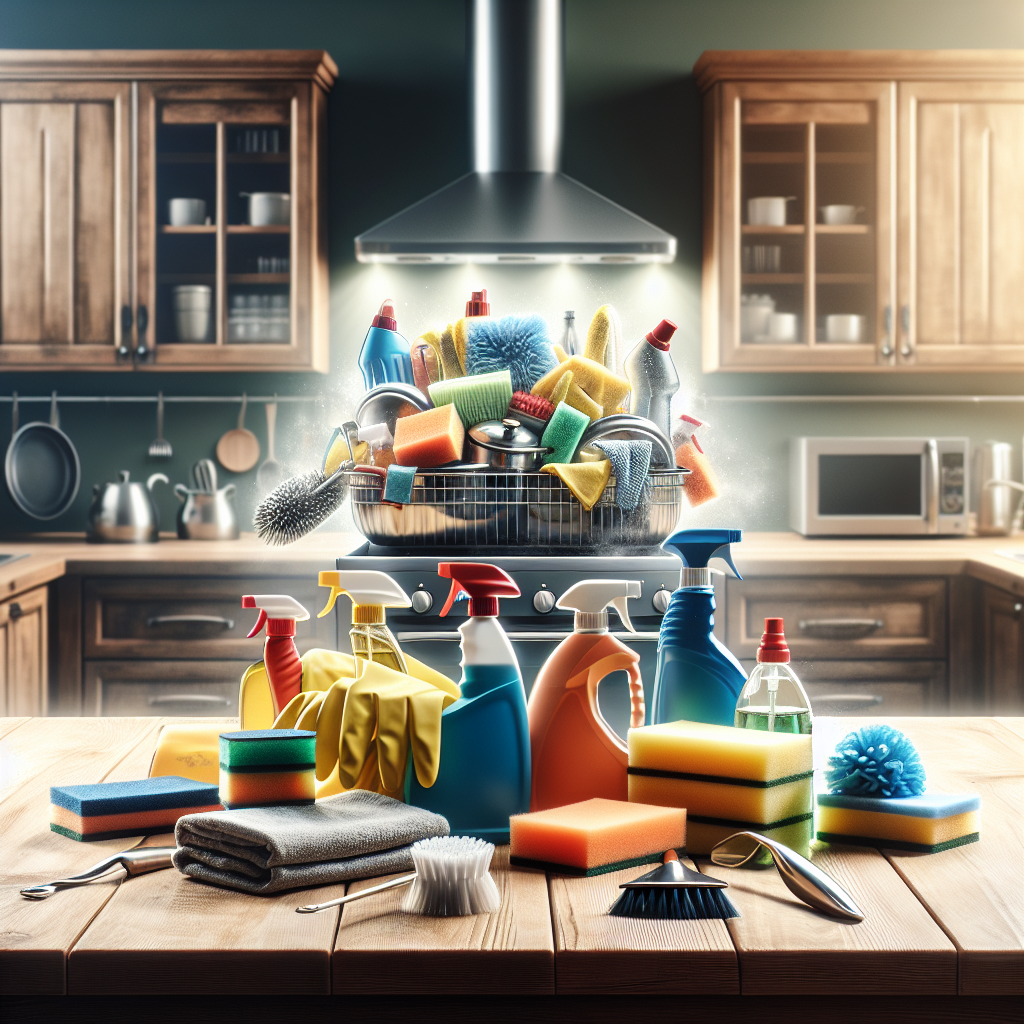
When it comes to kitchen cleaning, a systematic approach is key. Start by decluttering the countertops and removing any items that are not in use. Wipe down surfaces with a damp cloth to remove loose debris and food particles. Use an all-purpose cleaner to sanitize countertops, cabinets, and appliances. Pay special attention to areas prone to grease buildup, such as the stovetop, range hood, and oven.
Effective Tips for Removing Grease
Now, let’s focus on the most crucial aspect of kitchen cleaning: grease removal. Here are some tips to help you tackle stubborn grease and ensure a sparkling clean kitchen:
Choosing the Right Cleaning Agents
When it comes to removing grease, not all cleaning agents are created equal. Opt for degreasers or kitchen cleaners specifically designed to tackle grease buildup. Look for products that are safe for your kitchen surfaces and environmentally friendly. Avoid using harsh chemicals that may damage your countertops or appliances.
Hot Water and Dish Soap Solution
A simple yet effective way to cut through grease is by using a solution of hot water and dish soap. Fill a sink or bucket with hot water and add a few drops of dish soap. Dip a sponge or cloth into the solution and use it to wipe down greasy surfaces. The combination of hot water and soap helps to break down and lift away grease effectively.
Baking Soda and Vinegar Paste
For tough grease stains, create a paste using baking soda and vinegar. Mix equal parts of baking soda and vinegar to form a thick paste. Apply the paste to greasy spots on your stovetop or oven and let it sit for a few minutes. Use a soft brush or sponge to scrub the area, then wipe it clean with a damp cloth. The abrasive nature of baking soda, combined with the acidity of vinegar, helps to dissolve grease and grime.
Lemon Juice for a Fresh Clean
Lemon juice is not only a natural degreaser but also leaves a refreshing citrus scent in your kitchen. Squeeze fresh lemon juice onto a sponge or cloth and use it to wipe down greasy surfaces. The acidity of lemon helps to cut through grease while leaving behind a pleasant aroma. For an added boost, mix lemon juice with hot water and dish soap to create a potent grease-fighting solution.
Maintaining Kitchen Hygiene
In addition to effective grease removal, maintaining kitchen hygiene involves regular cleaning and proper storage of food items. Wipe down surfaces after each meal preparation, and deep clean your kitchen at least once a week. Store food in airtight containers to prevent contamination and regularly clean out the refrigerator to avoid the growth of mold and bacteria.
Conclusion
A clean and hygienic kitchen is a reflection of a healthy lifestyle. By following these tips for effective grease removal and maintaining kitchen hygiene, you can create a safe and inviting cooking space for you and your family. Remember, a little effort in cleaning goes a long way in ensuring the well-being of everyone in your home. Prioritize kitchen cleanliness, and enjoy the benefits of a sparkling, grease-free cooking environment.